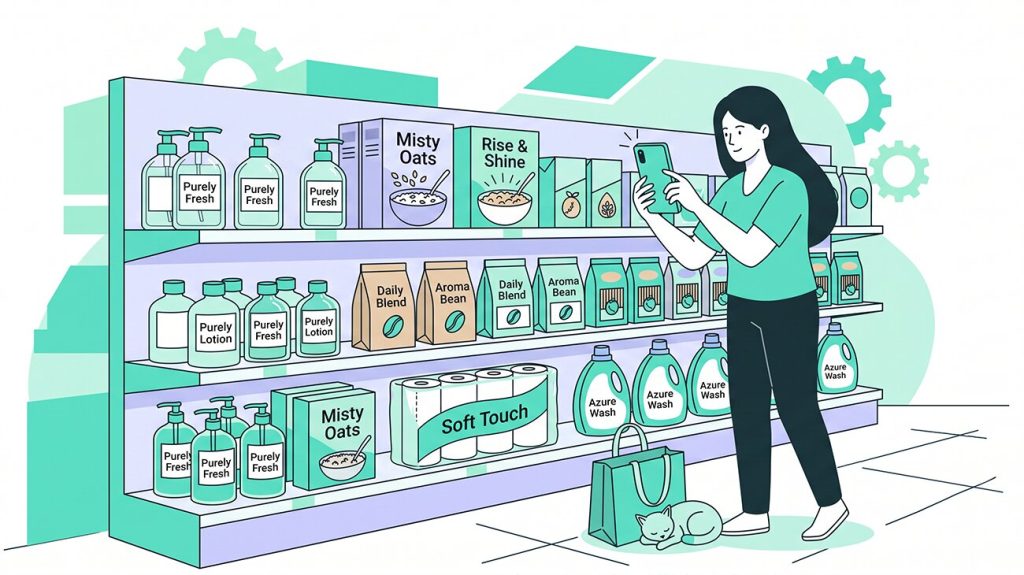

A new product launch takes months of preparation and a significant trade budget. Six weeks after hitting the shelf, sell-through is 30% below plan and nobody has a clear explanation. Field audits show the wrong shelf position in half the key accounts, missing promotional pricing in a third, and stock gaps elsewhere. None of this appeared in any report before the numbers missed.
This is the execution gap, and in 2026 it is no longer fixed by sending more reps or scheduling more audits. The brands pulling ahead are connecting strategy to the shelf in near real time, using AI agents, computer vision, and real-time field management. This article covers what that looks like in practice and what it takes to build it.
Table of Contents
- Key Takeaways
- What Is Retail Execution in Consumer Goods?
- Why Retail Execution Matters More Than Ever in 2026
- Core Components of a Modern Retail Execution Strategy
- What Top Retailers Are Doing Differently in 2026
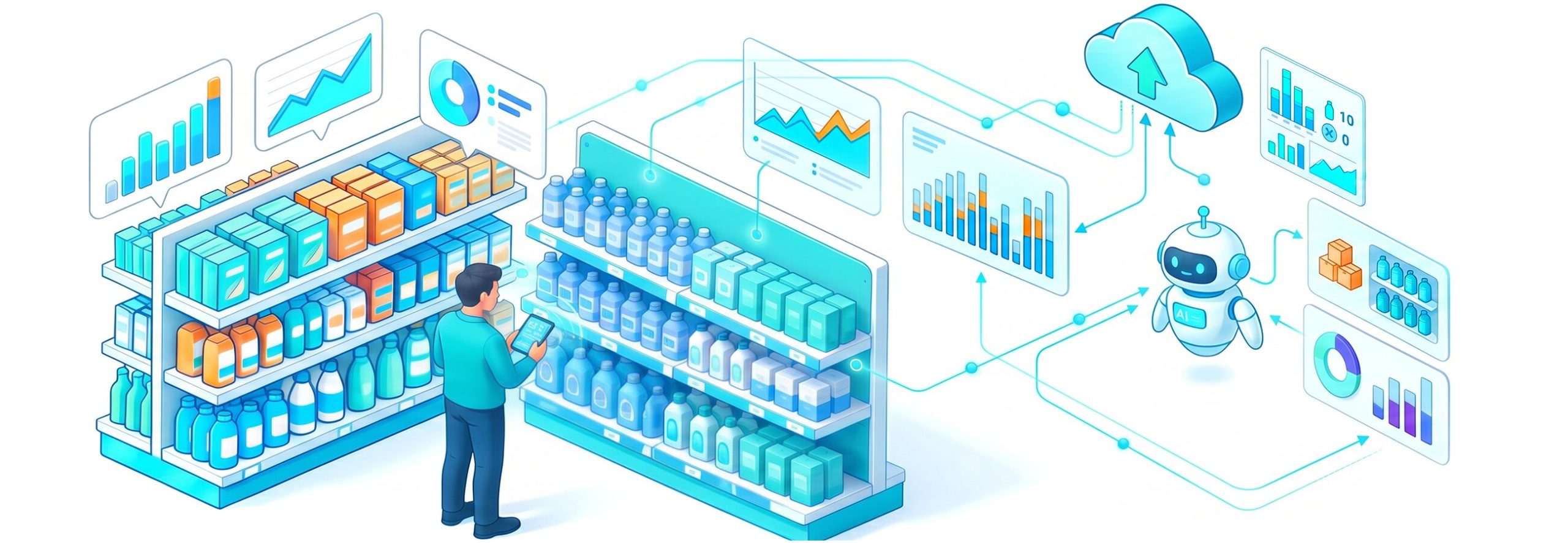
- How AI Agents and Computer Vision Close the Execution Gap
- Key Challenges in Retail Execution and How Top Players Solve Them
- How to Build a Retail Execution Strategy That Scales in 2026
- How Goods Checker Powers Smart Retail Execution for FMCG Brands
- Roadmap: How to Start with AI and Computer Vision in Retail Execution
- Retail in 2026 Is Defined by Orchestration, Not Just Strategy
- FAQ: Retail Execution in Consumer Goods
Key Takeaways
- Execution gap. Poor shelf position, missing price tags, and stockouts cost businesses up to 25% of total sales. The strategy is usually sound, and execution is where it breaks down.
- End-to-end orchestration. Leading teams run one unified system from HQ to store visit. Industry reports consistently show meaningful productivity gains and lower operating costs among organizations that replace fragmented retail execution processes with unified operating platforms.
- Agentic AI. AI agents act on problems directly. Replenishment tasks, route adjustments, and compliance escalations happen automatically, on the day the issue occurs.
- Computer vision. Manual shelf counts are slow and inconsistent. CV-based monitoring delivers accurate shelf data in under 90 seconds and doesn’t depend on a rep’s attention during a busy day.
- Start with visibility. Knowing what is on the shelf today, who owns the fix, and whether it got done is the practical starting point. Everything else builds from there.
What Is Retail Execution in Consumer Goods?
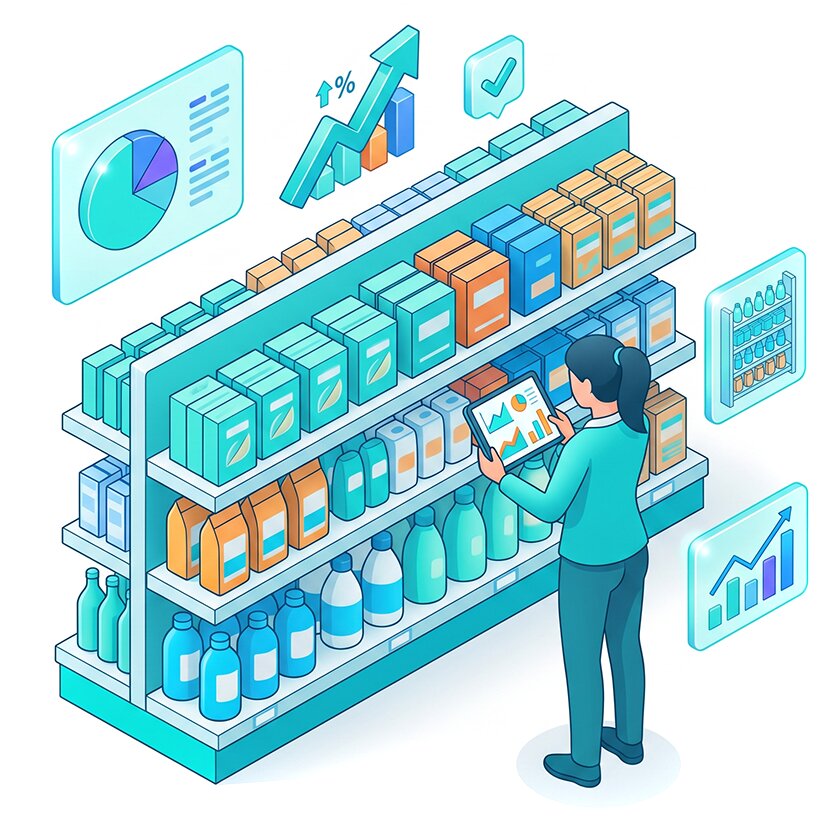
Retail execution, or in-store execution, is the discipline of translating brand and category plans into consistent physical reality across every store where a product is sold. It covers everything from the moment a strategy is approved to the moment a customer picks a product off the shelf:
- product placement and visual merchandising,
- on-shelf availability and inventory management,
- promotional and pricing compliance,
- planogram adherence,
- field team performance
- data infrastructure and analytics
“What makes retail execution distinct from sales or marketing is that it operates at the physical layer. A brand can have the best product, the most competitive price, and the highest trade investment in its category, and still lose at the shelf when the product is out of stock, placed in the wrong position, or missing its promotional label.”

Research cited by Cyntexa, drawing on G2 data, shows that poor product placement and merchandising alone can cost a business up to 25% of total sales. The shelf is the final point of contact with the customer, and what happens in-store determines whether everything upstream actually converts into a purchase.
Why Retail Execution Matters More Than Ever in 2026
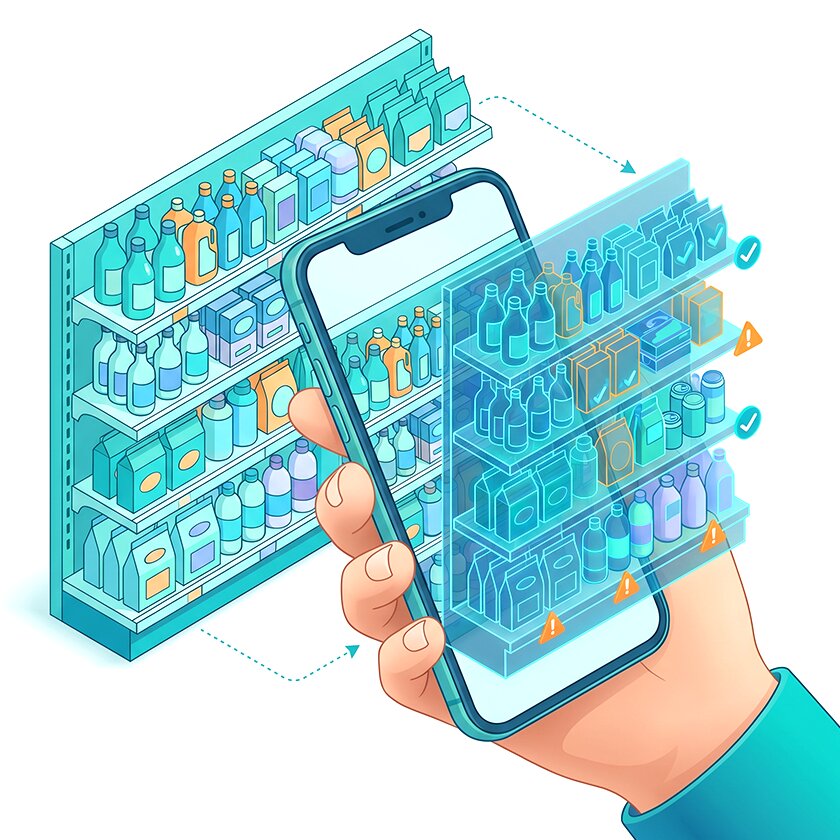
Several pressures converged through 2025 and into 2026 to make in-store execution more commercially critical than it has been in years.
Margin compression across most FMCG categories has narrowed the tolerance for waste. Misplaced facings, missing price tags, and stockouts all have a margin cost. Across hundreds of stores, those losses compound quickly.
The pace of retail is also accelerating. For example, according to the CustomerTimes Retail Execution Report 2026, companies using AI and predictive analytics in their execution workflows are documenting 50% faster sales cycles compared to those on traditional planning models.
The consumer side is shifting too. NielsenIQ data from early 2026 shows that 42% of consumers now use AI tools as part of how they shop, which means brands get evaluated before the store visit even happens. Consistent shelf presence has become a baseline requirement for capturing that demand.
Core Components of a Modern Retail Execution Strategy

Retail execution in 2026 covers the same core areas it always has, but the tools and speed have changed significantly.
Merchandising and Visual Display
Planograms define where products go on the shelf: position, facings, height, adjacency. Visual standards cover secondary placements, promotional zones, and branded fixtures. The challenge is that headquarters produces a planogram and someone in a store hundreds of kilometers away has to execute it. Without a way to verify compliance, the two diverge fast.
Inventory Management and On-Shelf Availability
On-shelf availability (OSA) has a direct P&L impact. When a product is missing from the shelf, the sale is gone. Most OOS events trace back to store-level execution, such as stock sitting in the backroom or facing gaps that nobody caught in time.
Promotions and Pricing
Promotion compliance means the right price tags are in place, materials match the campaign plan, and secondary displays are up on time. Aforza’s data, cited in the CustomerTimes 2026 report, shows that companies using automated promotion execution tools improved promotion ROI by 20% compared to manual approaches.
Staff Training and Enablement
Spotting execution gaps consumes 70 to 90% of field team time, according to Axonify, leaving little room for actually fixing them. When a rep leaves, execution knowledge leaves with them. Companies that rebuilt training around microlearning and daily reinforcement cut onboarding from four days to one and recorded 8% sales lift.
Communication and Alignment Between HQ, Field and Frontline
When a planogram change passes through email, a supervisor briefing, a team call, and a store clipboard, something gets lost or changed at every step. By the time it reaches the store associate, it’s a slightly different instruction in each location. That’s why the same campaign looks different across stores.
Data, Analytics and KPIs for In-Store Execution
The standard KPI set for retail execution management includes OSA, OOS, planogram compliance, share of shelf, price tag compliance, promotional compliance, and trade spend ROI. Most companies measure these weekly or monthly. By the time the data reaches a decision-maker, the shelf has already changed.
What Top Retailers Are Doing Differently in 2026
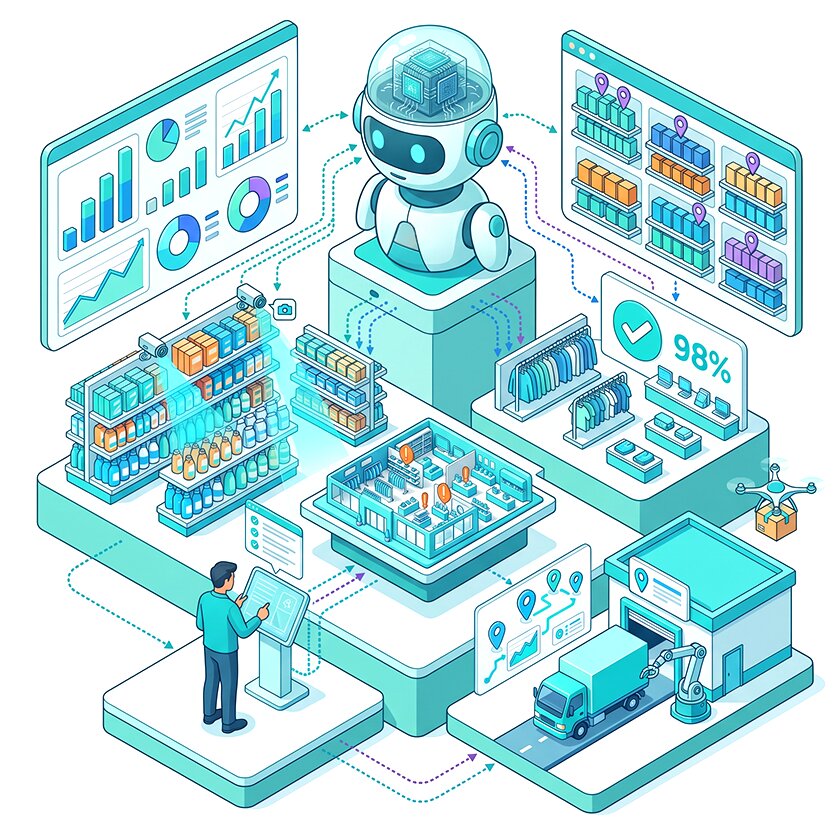
The leaders in retail execution have better operating models. Information flows faster, ownership is clearer, and problems get resolved the same day they appear.
End-to-End Retail Orchestration: From HQ to Shelf in Real Time
End-to-end retail orchestration means one system connects headquarters to the store visit. When a promotion launches, every rep sees the same briefing, every store gets the same task, and every gap in execution generates a visible data point.
Companies at this level report 40% productivity improvements and a 35% lower total cost of ownership compared to those running fragmented systems, according to the CustomerTimes 2026 report.
Agentic AI for Retail Operations and Shelf Execution
In retail execution, an AI agent detects an out-of-stock condition from a shelf photo and creates a replenishment task for the store team automatically, without waiting for a manager to review a report.
NielsenIQ’s 2026 research describes AI beginning to “autonomously discover, evaluate, and purchase products” on consumers’ behalf. The same logic is moving into operations: systems that route reps based on live data, prioritize visits by revenue impact, and adjust assignments as conditions change. For a brand running thousands of store visits per week, the value is simple: problems get fixed the day they happen.
Computer Vision Replacing Manual Merchandiser Reports
NielsenIQ InStore Vision shows how computer vision is changing shelf monitoring. The system reads field photos, finds SKUs, measures facings, and checks shelf conditions automatically, feeding results into dashboards that give sales and trade marketing teams near-real-time visibility across their accounts.
Repsly records 98% image recognition accuracy in live retail conditions, according to the CustomerTimes report. For teams that previously relied on manual counts, the shift means more accurate data that arrives faster and does not depend on a rep’s attention during a busy day.
From One-Size-Fits-All to True Hyper-Local Strategies
Most brands have historically run the same playbook across all accounts: one planogram, one promotional brief, one compliance standard. A convenience store in a commuter corridor and a hypermarket in a family shopping destination serve different shoppers with different needs. One playbook across both is a disadvantage.
Hyper-local retail strategy means adapting assortment, shelf allocation, pricing, and promotions at the individual store level. AI makes this practical as systems generate and execute local adaptations automatically based on sales velocity, shopper behavior, and local competitive conditions.
Smart Sensors, IoT and Real-Time Store Monitoring
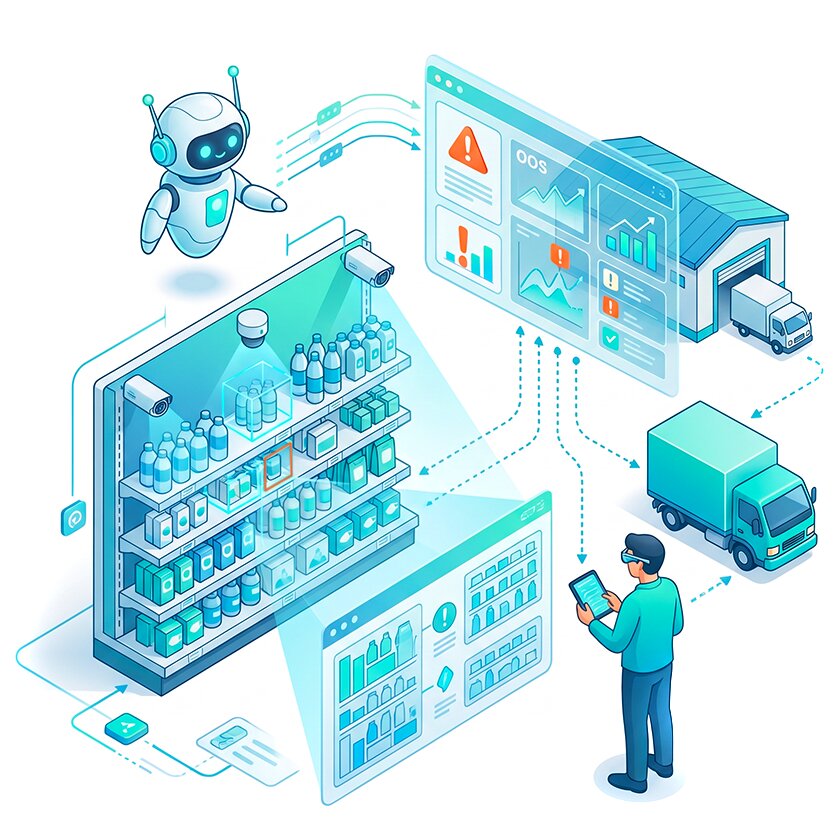
Fixed cameras and IoT shelf sensors provide continuous monitoring between rep visits. When a facing collapses, a promotional label disappears, or a shelf section goes empty, the system generates an alert immediately. For high-traffic accounts and fast-moving categories, this closes the gap between planned visits and the changes that happen in between.
How AI Agents and Computer Vision Close the Execution Gap
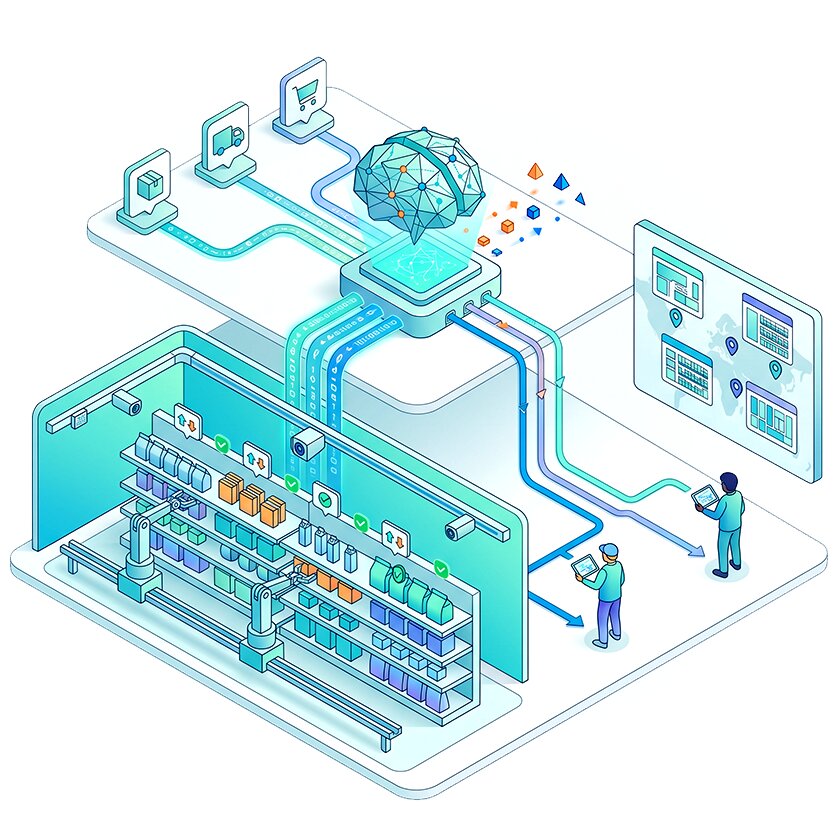
The value of these technologies runs through a specific workflow that changes what reps do, what managers see, and how quickly problems get resolved.
From Photos to Actionable Tasks in Near Real Time
When a rep photographs the shelf section, the system returns OSA status, OOS flags, price tag compliance, planogram adherence, and share of shelf by brand within 60 to 90 seconds. Where deviations exist, the system automatically generates tasks, for example notifying the store team about a stockout, flagging a price label error for correction, or escalating a planogram violation to a supervisor. The rep addresses what can be fixed immediately and logs the rest. The category manager sees the full picture before the end of the working day.
AI-Driven Recommendations for Shelf, Price and Promotion
Beyond flagging problems, AI agents in leading retail execution platforms now propose actions. When sales velocity in a store is trending below plan and share of shelf is below target, the system proposes a specific response, such as requesting additional facings in the next range review, adjusting the replenishment trigger, or testing a different promotional mechanic at that location.
Real-Time Management of Field Teams and Store Execution
Movista’s AI routing tools, cited in the CustomerTimes 2026 report, achieve 20% drive time savings by optimizing rep routes based on live data rather than fixed schedules. CT Mobile and CT REx document 2 hours saved per rep per day through workflow automation. Repsly reports 22% more daily store visits and 8% revenue growth attributable to field execution improvements.
Real-time retail execution management means a manager can see, during the working day, which stores have been visited, which tasks are complete, which deviations are unresolved, and where performance is falling short of standard. The feedback loop that previously ran on a weekly reporting cycle now runs on a daily or hourly one.
Key Challenges in Retail Execution and How Top Players Solve Them

These challenges are broadly understood across the industry, but what distinguishes leaders is that they have built systems to detect and respond faster than their competitors do.
Execution Gap Between HQ, Field and Frontline
Decisions are made at headquarters by people who are not in stores, executed by reps who are not at headquarters, and delivered by store associates who are not part of either conversation. Each handoff introduces interpretation, delay, and error.
Leaders close this gap by treating execution as a system: unified task management, automated briefing, and real-time compliance visibility replace the chain of meetings, emails, and clipboard-based audits.
Fragmented Systems and Legacy IT
Most FMCG field operations run across four to six disconnected systems, for example, a CRM for visit logging, a spreadsheet for reporting, an email chain for task management, and a slide deck for briefings.
The CustomerTimes report identifies unified platforms as the primary driver of the 40% productivity gains documented among leading implementations, with companies that consolidate onto integrated retail execution platforms eliminating the manual data transfer between systems that absorbs a significant share of field rep time.
Information Overload and Inconsistent Messaging
A rep receiving a 40-page promotional brief by email on a Monday morning will not execute it the same way as a rep who receives a three-screen mobile briefing with two key actions clearly highlighted.
According to Axonify, teams that receive information in small doses at the point of task show more consistent field behavior than those briefed in bulk at the start of a period.
High Turnover and Training Fatigue
Retail and FMCG field roles carry high turnover, and traditional onboarding models don’t keep pace. Floor & Decor saved $7.5 million in onboarding costs by moving to flow-of-work learning, according to Axonify. The approach is to give people enough to operate from day one and reinforce the rest through daily micro-interactions as they do the job.
How to Build a Retail Execution Strategy That Scales in 2026

Scaling retail execution is less about finding the right tools and more about building the right operating model before the tools go in. Companies that grow from 50 stores to 500 without losing execution quality tend to share a few common disciplines.
- Align HQ, field and frontline around one operating model. The most common execution failure is a translation problem: HQ sets a direction, regional managers interpret it, store teams execute something close to it. Shared KPIs and shared data visibility close this gap faster than any workflow redesign. Start by agreeing on what success looks like at store level before deciding how to measure it.
- Set clear, measurable execution KPIs. The metrics that matter most in FMCG are OSA, OOS rate, planogram compliance, share of shelf, and promotion compliance. Measure these at store level, not as regional averages. Averages hide the variance where execution problems actually live.
- Empower field teams with real-time visibility. A merchandiser with a live dashboard makes different decisions in the store than one with a clipboard. When a rep can see what was flagged since the last visit, which aisle carries the highest OOS risk today, and which tasks are overdue at this location, the visit becomes more productive than a routine route check.
- Use AI to deliver the right information at the right moment. Field teams make dozens of small decisions per visit without anyone from HQ present. AI-assisted tools surface relevant context when it is needed: the three issues most likely to affect this store’s OSA score, a recurring stock gap on Tuesday afternoons, a promotional fixture that is missing at this location. It is decision support at the point of execution.
- Automate and adapt continuously. Execution strategies reviewed once a year erode between planning cycles. The companies managing this well treat execution as a feedback loop: store visit data identifies patterns, the system adjusts task priorities and visit focus, and field teams spend their capacity on decisions that require human judgment rather than on generating reports.
How Goods Checker Powers Smart Retail Execution for FMCG Brands
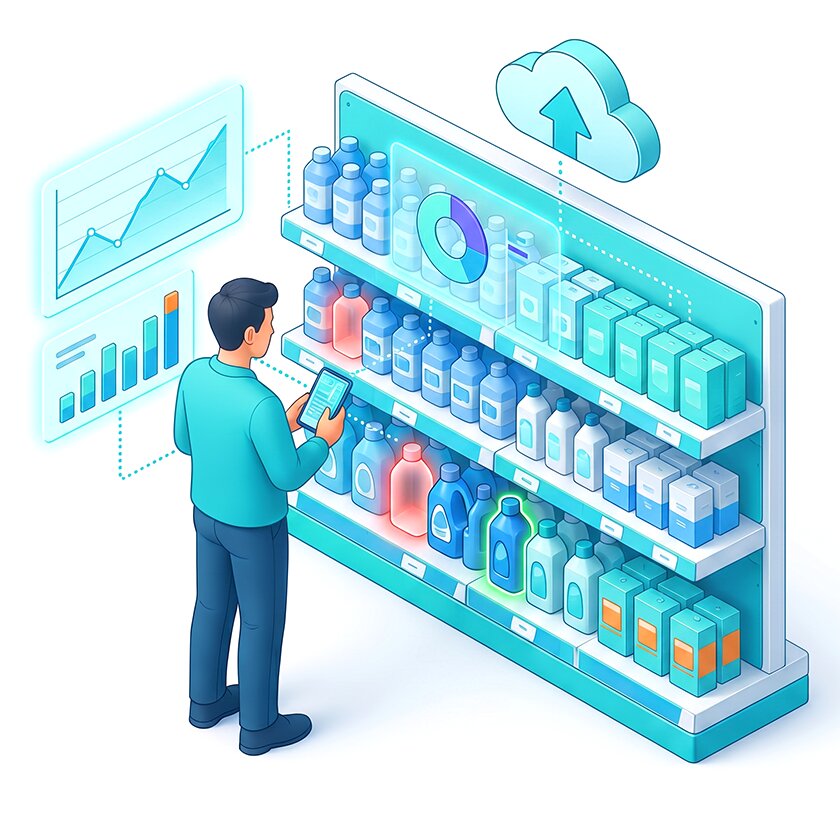
Goods Checker is a computer vision and field management SaaS platform for FMCG teams that need shelf execution monitoring and field performance management without building the infrastructure from scratch.
Automating Shelf Audits and In-Store Execution Monitoring
A merchandiser photographs the shelf section using the Goods Checker mobile app. The system processes the image and returns OSA, OOS, planogram compliance, share of shelf, and price tag status at the SKU level, with results on the web dashboard within an hour of the visit.
For Lex Marketing, a Ukrainian trade marketing agency operating across 4,500+ retail outlets, the implementation cut audit time by 60% and reporting time by 70%, with 95%+ recognition accuracy.
Monitoring Field Team Performance in Real Time
Goods Checker tracks every store visit through the mobile app. The app records when a rep arrives, blocks manual photo uploads to prevent falsified data, and verifies location proximity to the outlet. Once photos are processed, the system generates KPI reports broken down by store, employee, SKU, and product category. Managers see visit results within an hour, with no manual data entry involved.
For a pharmaceutical manufacturer monitoring 8,800 pharmacy locations across Kazakhstan, Uzbekistan, and Kyrgyzstan, the system cut visit duration to under 5 minutes while sustaining over 90% recognition accuracy across 143 SKUs.
Connecting Shelf Data with Sales and Trade Marketing
Shelf KPIs collected through Goods Checker feed directly into trade marketing decisions: which stores show planogram compliance gaps before a promotion launches, which accounts have consistent OOS in high-velocity SKUs, where share of shelf has dropped below the negotiated level.
For a chain of 500 gas stations managing 200 soft drink SKUs across remote locations, Goods Checker raised planogram compliance from 50% to 90%, giving the operations team consistent visibility over locations that were previously impossible to monitor reliably.
Roadmap: How to Start with AI and Computer Vision in Retail Execution

Starting with AI and computer vision does not require a full platform overhaul. A focused pilot covering a defined scope delivers measurable results and a clear basis for scaling decisions.
- Define one or two priority use cases. The most practical starting points are shelf monitoring for OSA and planogram compliance, or price tag verification. Both produce immediate, measurable data with no significant process change from field teams.
- Select pilot stores and categories. Start with 30 to 60 stores in your highest-priority accounts and one to three categories where execution gaps have the most direct revenue impact.
- Set KPIs before the pilot begins. Baseline current OSA rates, planogram compliance scores, and audit time per store. These numbers are what the pilot is measured against.
- Run the pilot with a SaaS partner. Cloud-based platforms like Goods Checker deploy in weeks with no hardware installation. Collect 4 to 6 weeks of data before reviewing results.
- Review results and decide on scope. The pilot either produces data that justifies expansion or shows where the approach needs adjustment. Either outcome is useful, and both are faster to learn from than a full rollout.
Retail in 2026 Is Defined by Orchestration, Not Just Strategy
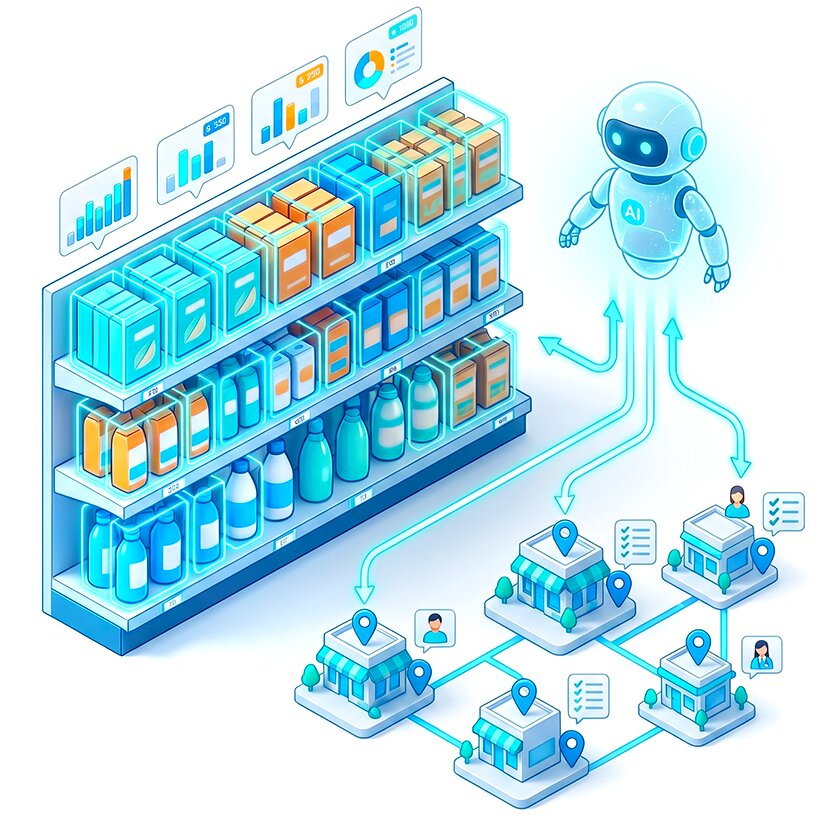
The brands and retailers pulling ahead in 2026 are not working from fundamentally different strategies than their competitors. Across most categories, the plans and priorities look broadly similar. The gap opens in execution, in the ability to move a decision made at headquarters to a correctly stocked, correctly priced, correctly positioned shelf in a store visited by a rep that morning.
End-to-end orchestration, AI agents that act on data, computer vision that makes shelf monitoring continuous, and hyper-local adaptation built on real demand signals are the mechanisms separating consistent execution from the exception-driven model that most teams are still running on.
For FMCG brands and retailers building toward this standard, the starting point is the ability to see what is happening on the shelf today, assign the right task to the right person, and confirm it was completed. Goods Checker does exactly that, and for most teams, that is where the measurable gains begin.
FAQ: Retail Execution in Consumer Goods
It is the process of translating brand and category plans into consistent physical reality at store level. It covers product placement, on-shelf availability, pricing and promotional compliance, planogram adherence, and field team management.
The core components are merchandising and visual display, on-shelf availability and inventory management, promotion and pricing compliance, staff training and enablement, HQ-to-field communication, and KPI measurement and analytics.
Special-purpose software connects field data collection, shelf monitoring, and inventory signals in a single system. Computer vision tools detect out-of-stock conditions from shelf photos and trigger replenishment tasks without waiting for a manual report cycle.
It means using AI, computer vision, and real-time data to automate monitoring, task creation, and field team management. Teams operate on near-real-time data, and AI agents detect issues and generate actions automatically.
Computer vision replaces manual shelf counting with photo-based analysis that finds SKUs, measures facings, checks price tags, and assesses planogram compliance in under 90 seconds. The data is consistent, available immediately, and does not depend on the auditor’s attention or experience level.
AI agents in retail operations act on data rather than just reporting it. When a shelf photo shows an out-of-stock product, an AI agent creates a replenishment task and assigns it without waiting for a manager to review a report. When a rep’s route needs adjustment based on priority changes, the system updates it automatically, cutting response times and reducing the number of problems that persist undetected between scheduled visits.